the Guild Model
of Cystic Fibrosis
Microbial Airway Ecology

Cystic Fibrosis

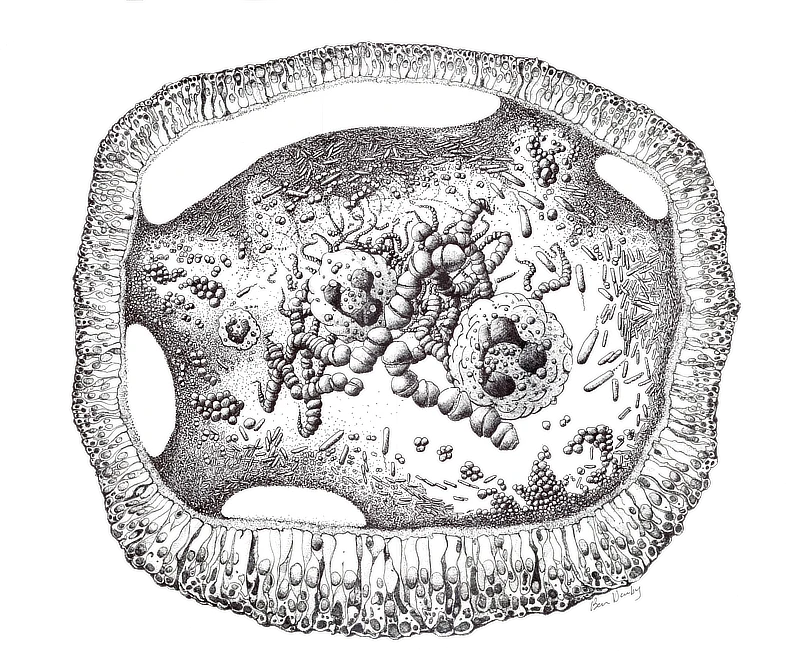
Cystic fibrosis is a genetic disorder caused by mutations to the cystic fibrosis transmembrane conductance regulator (CFTR) gene, which has profound impacts on many organs in the body, including the lungs. In the lungs, impaired mucociliary clearance leads to blockages and allows for prolonged colonization by microbes. drawing of a cf lungThis causes chronic infections, inflammation, and respiratory failure. Here, we present the concept of guilds, or specific categories of CF-associated microbes based on ecological function and metabolism, to explain the short- and long-term progression of CF airway disease.
The Guild Model of CF Microbial Ecology defines four functional guilds:

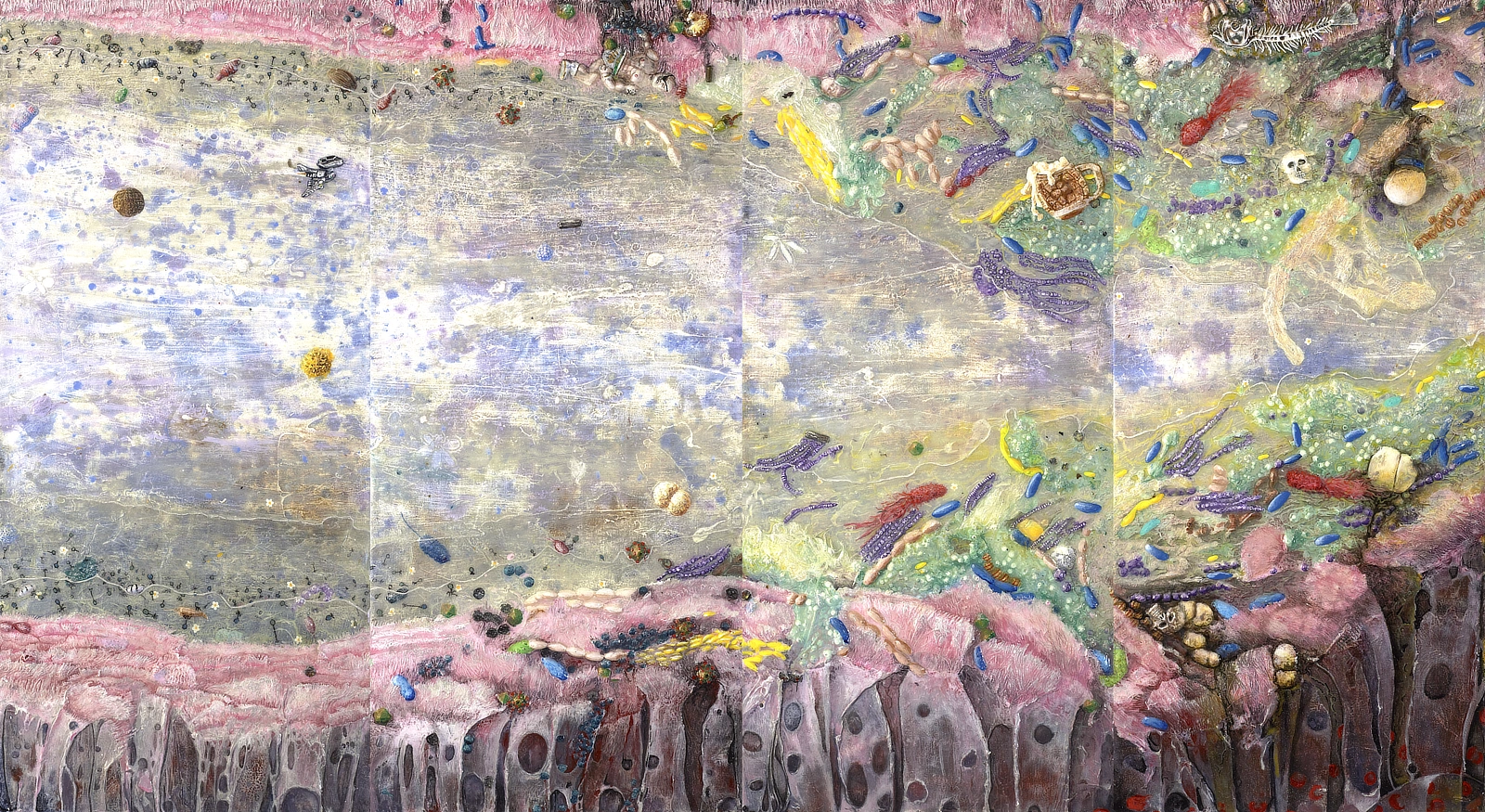
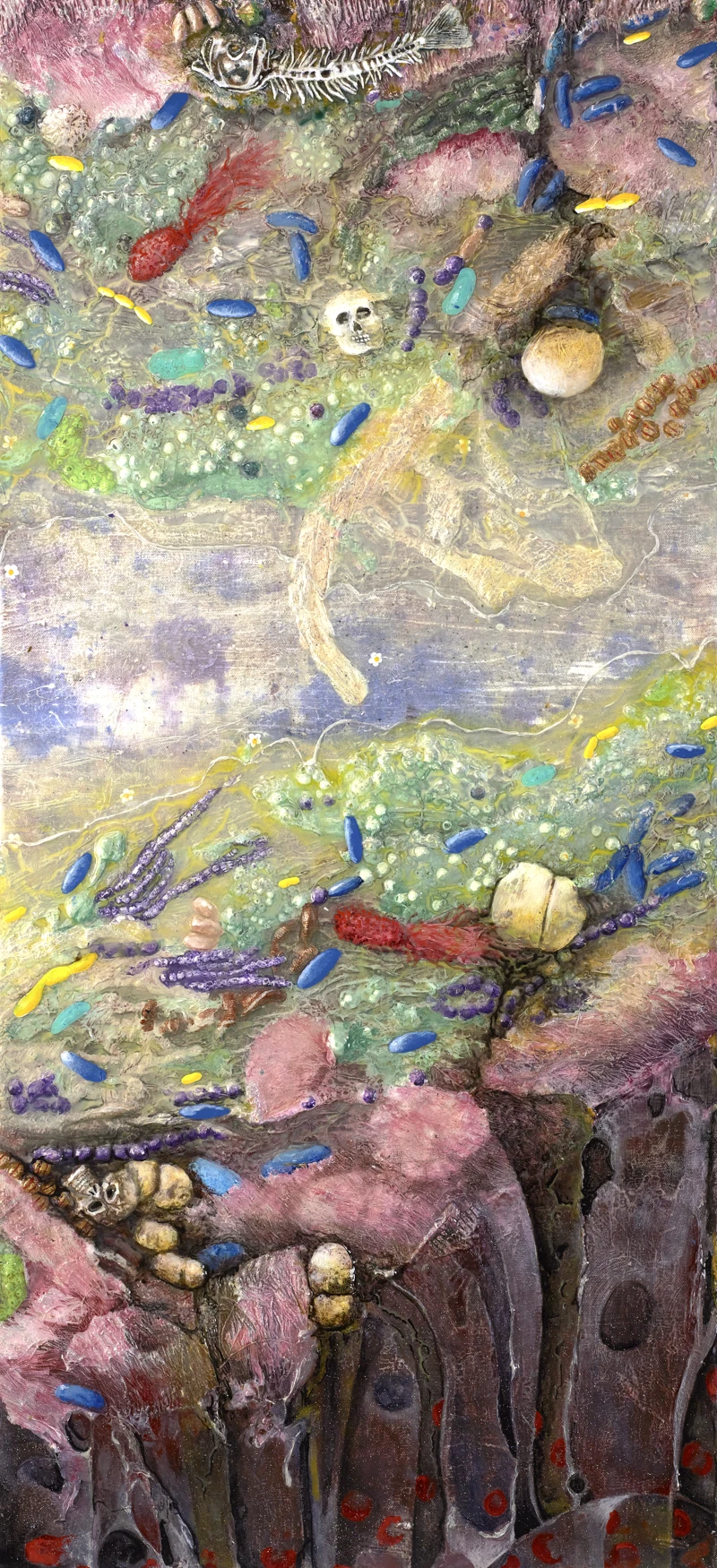
The Guild model emerged organically from conversations at the bi-annual Cystic Fibrosis (CF) Ecology, Evolution, Eradication working group meetings in Telluride, Colorado from 2013 to 2025 at the Telluride Science and Innovation Center (telluridescience.org), where the participants began exploring alternatives to the Climax-Attack Model (CAM). Shortly after the June 2021 Telluride meeting, the concept was given a visual form through a series of paintings by artist Ben Darby (darbyarts.com) who was working in the Rohwer Lab (coralandphage.org) at San Diego State University. The goal was to visualize and solidify the Guild framework. Several years were then spent solidifying the specifics in the attached paper. Click each panel header to explore how distinct functional categories of CF microbial communities - guilds - contribute to CF airway disease progression over time.

Healthy Airway
Early Airway Infection
Early Airway Damage
Advanced Airway Disease
guild image

The Guild model emerged organically from conversations at the bi-annual Cystic Fibrosis (CF) Ecology, Evolution, Eradication working group meetings in Telluride, Colorado from 2013 to 2025 at the Telluride Science and Innovation Center (telluridescience.org), where the participants began exploring alternatives to the Climax-Attack Model (CAM). Shortly after the June 2021 Telluride meeting, the concept was given a visual form through a series of paintings by artist Ben Darby (darbyarts.com) who was working in the Rohwer Lab (coralandphage.org/) at San Diego State University. The goal was to visualize and solidify the Guild framework. Several years were then spent solidifying the specifics in the attached paper. Click each panel header to explore how distinct functional categories of CF microbial communities - guilds - contribute to CF airway disease progression over time.

Swipe through the panels to explore how these guilds contribute to disease progression over time.

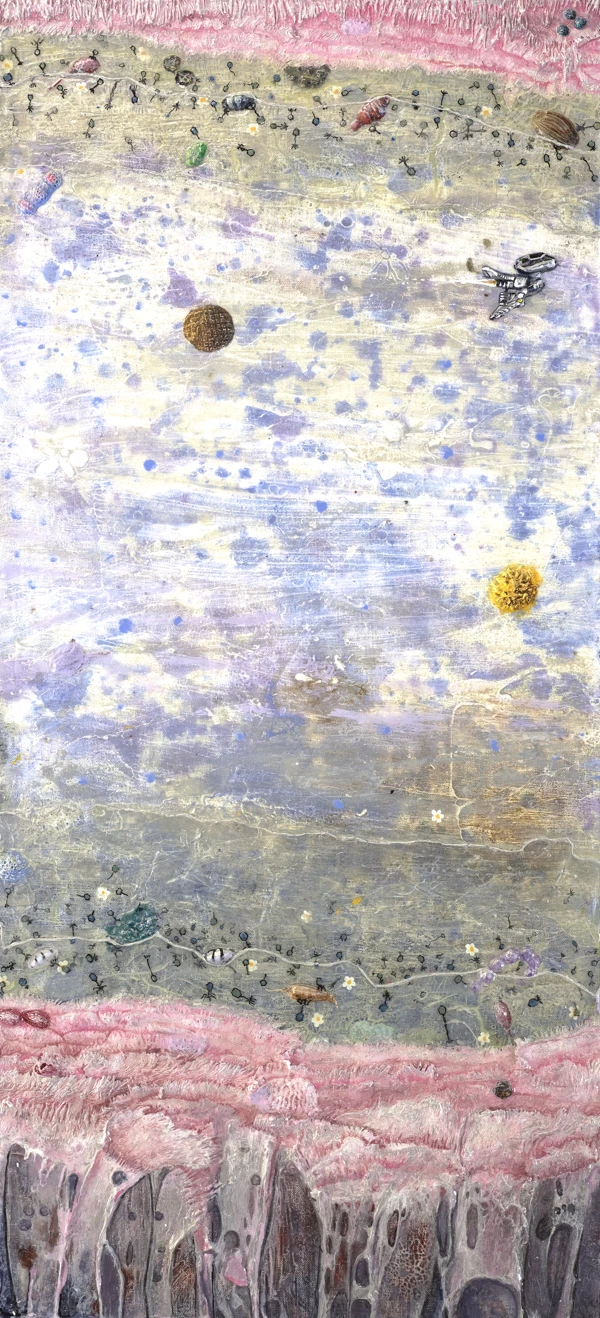
Healthy Human Airway

Panel 1: Healthy Human Airway

A healthy airway lumen with abundant oxygen and mucins flowing freely over epithelial cells. Beating cilia move the mucus, which carries debris and microbes with it, out of the lungs. The high turnover rate of mucins (comprising electron donors) and the flow of mucus makes this environment difficult to colonize.

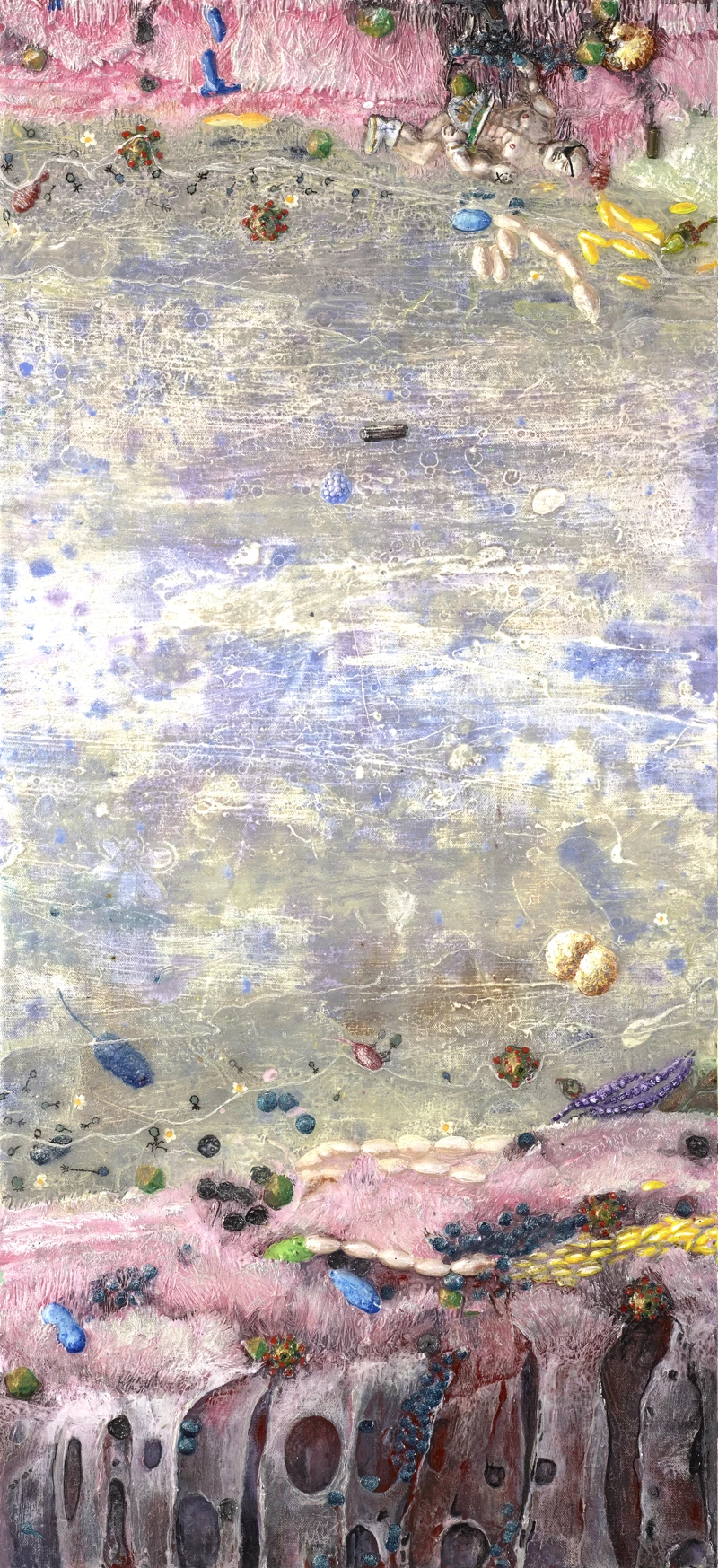
Early CF Airway Infection

Panel 2: Early CF Airway Infection

The airway is invaded and infected by microbes including respiratory viruses and members of the non-CF specific guild, the Nihilists. Infection results in damage to epithelial cells. Abundant oxygen and mucin lead to proliferation of Brewers. The lung tissue is still "normal", but becoming coated in mucus. There are fewer phages as the lungs become more microbialized.

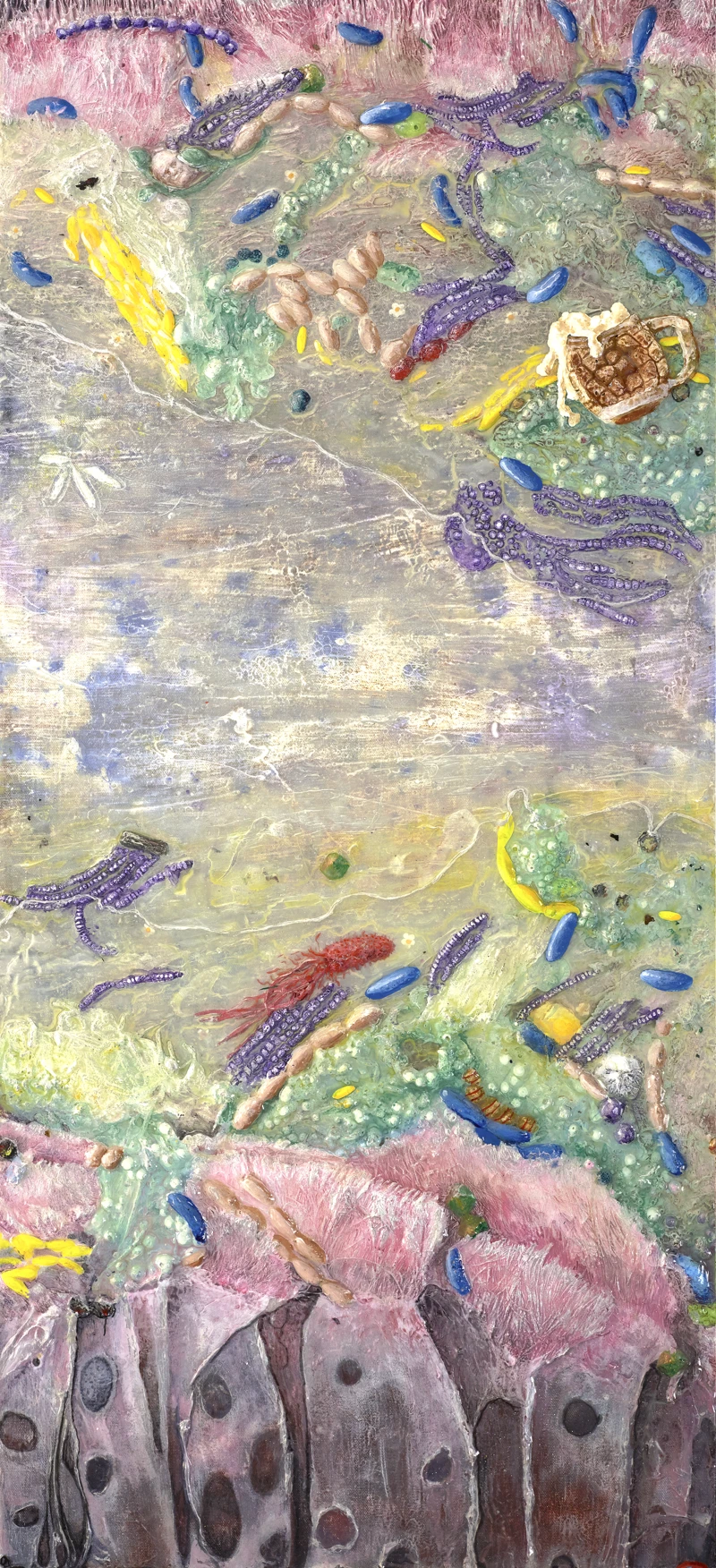
Early CF Airway Damage

Panel 3: Early CF Airway Damage

The lung of a person with CF, wherein the mucus is viscous and adherent due to the dysfunctional CFTR. This leads to a low mucin turnover, little to no mucus flow, and reduced oxygen availability in some microenvironments. This lung is being further infected by CF-specific guilds of pathogens, the Brewers and Drunkards. The lung tissue is still healthy, but cells are being subsumed by mucus.

Advanced CF Airway Disease

Panel 4: Advanced CF Airway Disease

A highly constricted airway containing all three CF-specific guilds: Brewers, Drunkards and Putrifiers. The low mucus turnover and thick biofilm inhibit efficient oxygen uptake by the host or their resident microbes. Putrifiers produce polyamines such as putrescine and spermidine as a byproduct of their anaerobic metabolism. These polyamines can accumulate to toxic levels and kill the epithelial cells directly or cause inflammation and further neutrophil infiltration. The lung tissue is rapidly deteriorating - cells are inflamed and cell membranes are breaking down.

The Guild Model of Cystic Fibrosis Airway Microbial Ecology

Sage J. B. Dunham, Gregory A. Willkeen, Ben Darby, Jodi M. Corley,Andrea Hahn, Isaac Klapper, Heather D. Bean, Lindsay J. Caverly, Christina S. Thornton, Christian Martin, Robert A. Quinn, Stefanie Widder, Barbara A. Bailey, Brandie D. Wagner, Neha Garg, Paul J. Planet, Ryan C. Hunter, John J. LiPuma, Forest Rohwer, Katrine L. Whiteson